How Equipment Financing Helps Small Businesses Scale Faster and Preserve Cash Flow

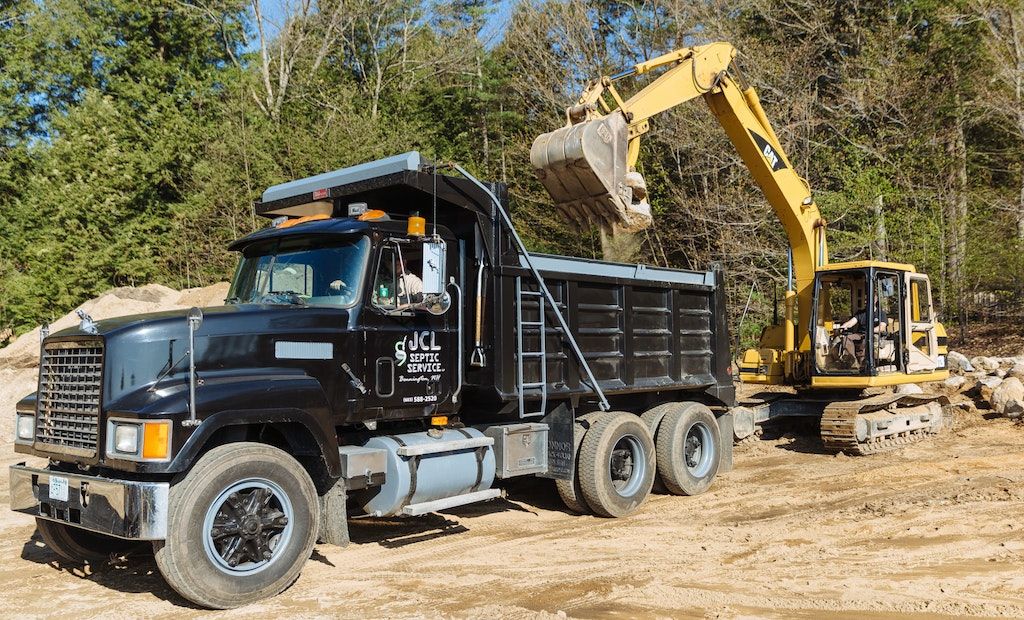
Equipment is one of the biggest investments many businesses make. Whether operating in construction, transportation, agriculture, manufacturing, healthcare, or logistics, businesses depend on reliable equipment to maintain productivity and remain competitive.
However, purchasing equipment outright can place significant pressure on cash flow, especially for small and medium-sized businesses. Equipment financing has become one of the most effective solutions for companies looking to grow while preserving working capital.
Instead of using large amounts of cash for equipment purchases, businesses can spread costs over time while still gaining immediate access to the tools and machinery they need.
Modern financing solutions are helping businesses scale faster, manage operational expenses more efficiently, and stay competitive in rapidly changing industries.
What Is Equipment Financing?
Equipment financing is a funding solution that allows businesses to purchase or lease machinery, vehicles, technology, and operational equipment through structured payment plans.
Instead of paying the full cost upfront, businesses make manageable monthly payments over an agreed financing term.
Equipment financing is commonly used for:
- Construction equipment
- Commercial vehicles
- Agricultural machinery
- Manufacturing systems
- Medical equipment
- Technology infrastructure
- Specialized industry tools
This financing structure allows businesses to preserve liquidity while continuing to grow operations.
For a foundational overview, see Business Equipment Financing
Why Businesses Choose Equipment Financing
One of the biggest reasons companies choose financing is cash flow protection.
Purchasing expensive equipment outright can limit available capital needed for:
- Payroll
- Inventory
- Marketing
- Expansion
- Emergency expenses
Financing allows businesses to maintain operational flexibility while still accessing necessary equipment.
Key benefits include:
- Lower upfront costs
- Predictable monthly payments
- Faster access to equipment
- Improved working capital management
- Potential tax advantages
This flexibility is especially valuable for growing businesses managing multiple operational priorities.
Equipment Financing and Business Growth
Access to equipment often directly impacts business growth potential. Delaying equipment purchases due to budget limitations can slow productivity and reduce competitiveness.
Equipment financing helps businesses:
- Expand operations faster
- Increase production capacity
- Improve service efficiency
- Take on larger projects
- Upgrade outdated machinery
Companies can grow without waiting years to accumulate enough capital for major purchases.
For growth-focused financing insights, visit Benefits of Equipment Financing for Business Growth
Preserving Working Capital
One of the most important advantages of financing is preserving working capital.
Working capital is essential for handling daily business operations, including:
- Employee wages
- Inventory purchases
- Utilities and overhead
- Marketing expenses
- Unexpected operational costs
Using all available cash for equipment purchases can create financial strain.
Financing allows businesses to keep cash reserves available for operational stability and strategic growth opportunities.
For cash flow strategies, see Equipment Financing Cash Flow Working Capital Strategy
Faster Access to Modern Equipment
Modern industries evolve quickly, and outdated equipment can reduce efficiency and competitiveness.
Equipment financing allows businesses to access:
- Newer machinery
- Advanced technology
- Fuel-efficient systems
- Higher productivity equipment
Without financing, many businesses delay upgrades due to high upfront costs.
Fast financing approvals help companies remain operationally competitive.
For more insights, visit Fast Equipment Financing
Financing vs Traditional Business Loans
Many businesses compare equipment financing with traditional business loans when seeking funding.
Key differences include:
Equipment Financing
Traditional Business Loans
Tied directly to equipment
General-purpose funding
Equipment acts as collateral
Often requires broader collateral
Easier approval for equipment purchases
Stricter qualification requirements
Faster funding process
Longer underwriting timelines
Equipment financing is often more accessible for businesses needing machinery or operational assets quickly.
For a comparison guide, see Equipment Financing vs Business Loans
Financing Used Equipment
Businesses do not always need brand-new machinery. Financing used equipment has become increasingly common because it lowers acquisition costs while maintaining productivity.
Used equipment financing benefits include:
- Lower purchase prices
- Faster ROI potential
- Reduced depreciation impact
- Expanded equipment options
Lenders often finance well-maintained used equipment across multiple industries.
For additional guidance, visit Finance Used Equipment Guide
Common Equipment Financing Mistakes
While financing provides major advantages, businesses can still make costly mistakes during the process.
Common errors include:
- Borrowing beyond operational needs
- Ignoring interest structures
- Overlooking total repayment costs
- Choosing incorrect financing terms
- Failing to compare lenders
Careful planning helps businesses avoid financial strain while maximizing financing value.
For more insights, see Equipment Financing Mistakes to Avoid
How Small Businesses Qualify for Equipment Financing
Qualification requirements vary depending on the lender, equipment type, and business profile.
Lenders often evaluate:
- Business revenue
- Credit history
- Time in business
- Equipment value
- Industry stability
Some financing programs are designed specifically for startups and small businesses with limited credit history.
For qualification guidance, visit Qualify Equipment Financing Small Business
Seasonal Businesses and Equipment Financing
Seasonal businesses often face fluctuating cash flow patterns, making financing especially valuable.
Industries that benefit include:
- Agriculture
- Landscaping
- Construction
- Snow removal
- Tourism operations
Flexible financing structures help seasonal businesses manage payments during slower revenue periods.
For seasonal financing strategies, see Seasonal Business Equipment Financing
Tax Advantages and Section 179
Equipment financing may also offer tax advantages depending on business structure and local regulations.
Section 179 deductions may allow businesses to deduct qualifying equipment purchases from taxable income.
Potential benefits include:
- Reduced taxable income
- Improved cash flow
- Faster equipment acquisition
Businesses should always consult financial professionals regarding tax strategies.For more information, visit How Section 179 Works
SBA Loans vs Private Equipment Loans
Businesses often compare SBA-backed loans with private financing options.
SBA Loans:
- Lower interest rates
- Longer approval timelines
- More documentation requirements
Private Equipment Loans:
- Faster approvals
- Flexible structures
- Simplified application processes
The best option depends on business goals, urgency, and financial profile.For comparisons, visit SBA Loans vs Private Equipment Loans
Equipment Leasing vs Financing
Some businesses choose leasing instead of ownership financing.
Leasing may offer:
- Lower monthly payments
- Easier equipment upgrades
- Reduced maintenance concerns
Financing, however, may provide stronger long-term ownership value.
Choosing between leasing and financing depends on operational goals and equipment lifecycle needs.For tax-related leasing insights, see Tax Benefits of Equipment Leasing
Importance of Fast Approval Processes
In industries where equipment availability directly affects revenue, delayed funding can create operational setbacks.
Fast approvals help businesses:
- Replace broken equipment quickly
- Secure project deadlines
- Avoid operational interruptions
- Capture growth opportunities faster
Modern lenders increasingly offer streamlined digital approval systems.For additional information, visit Equipment Financing Fast Approval Flexible Equipment Loans
The Future of Equipment Financing
Technology is transforming the financing industry through:
- AI-based underwriting
- Digital application platforms
- Automated approval systems
- Real-time risk analysis
These innovations are making equipment financing faster and more accessible for businesses of all sizes.
Future financing trends may include:
- Instant approvals
- Blockchain-based contracts
- Predictive financing analytics
- Industry-specific financing platforms
Final Thoughts
Equipment financing has become a critical growth tool for modern businesses. It allows companies to preserve working capital, improve operational efficiency, and access the equipment needed to compete effectively.
From construction and agriculture to healthcare and manufacturing, financing solutions help businesses scale faster without creating unnecessary financial strain.
As industries continue evolving, flexible financing solutions will remain essential for supporting business expansion, improving cash flow management, and enabling long-term operational success.
Get Pre Approved
No waiting, no guesswork. Pre-approval in under 24 hours when you reach out today.
Contact Us